Bangladesh once again stands at a critical political crossroads. Ahead lies the thirteenth National Parliamentary Election. This election is not merely a constitutional exercise; rather, it is a major test of the country’s democratic transition after prolonged political instability, social tensions, and administrative challenges. Although the countdown to the announcement of the election schedule has begun, the reality on the ground remains far from simple.
Violence, the proliferation of illegal weapons, rumours, and terrorist activities have collectively heightened public anxiety surrounding the election. At such a critical moment, the Bangladesh Army has emerged as a beacon of hope for the people.
Election-centred unrest and security concerns:
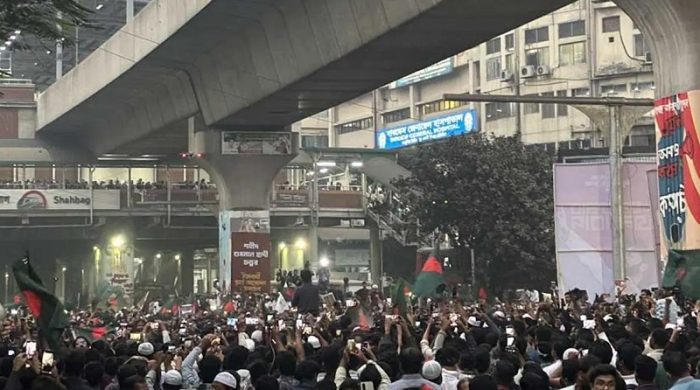
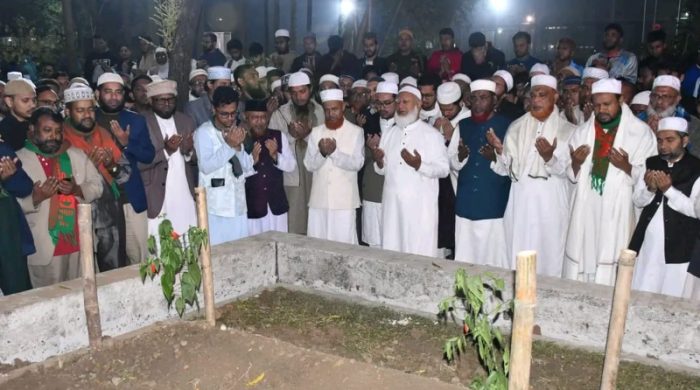
As the election draws nearer, political tensions continue to intensify. Incidents of violence are increasingly being reported in various areas, centred on the announcement of potential candidates, public outreach campaigns, and party programmes. The recent shooting of Sharif Osman Hadi, an independent candidate from the Dhaka-8 constituency and spokesperson of the Inqilab Mancha, has reignited nationwide concern. This incident clearly demonstrates that terrorist networks and illegal forces linked to the election remain active and are attempting to destabilize the electoral environment.
In this context, the proactive role of a joint force led by the Bangladesh Army has come to the forefront. Given the limitations of the police and civil administration, long-standing political pressure, and the realities at the grassroots level, many believe that it would be difficult for civilian law enforcement agencies alone to meet this challenge effectively.
Electoral security:
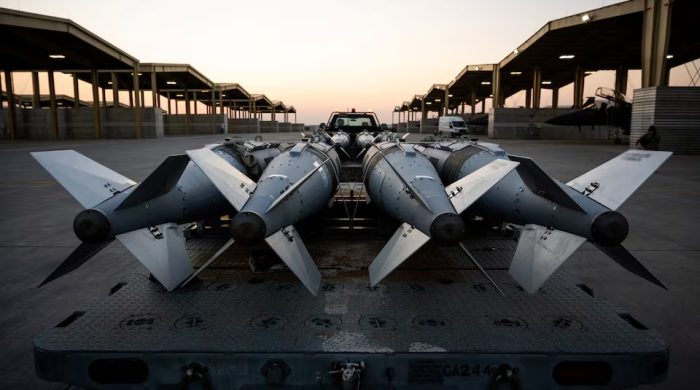
The government’s firm stance on maintaining law and order ahead of the election is most visibly reflected in the nationwide special operations conducted by the joint forces, including the recently launched “Operation Devil Hunt Phase-2”. Beginning on 13 December, this operation involves the coordinated deployment of the police, army, RAB, and BGB to recover illegal weapons, suppress terrorism, and bring saboteurs under the rule of law. The Bangladesh Army is playing the most crucial role in this effort.
Within just the first two days, authorities reported the arrest of over a thousand individuals and the recovery of multiple firearms and locally made weapons. Although “Operation Devil Hunt Phase-2” is a continuation of previous operations, its significance is far greater in the electoral context, as it is being conducted directly to ensure a calm and secure voting environment.
Why the army is a symbol of trust:
Throughout Bangladesh’s history, the army has consistently emerged as a stabilizing force during major national crises. Whether in times of natural disasters, political turmoil, or national elections, the professionalism and neutrality of the armed forces have earned public trust. The role of the army during elections is not new. In the elections of 1991, 1996, 2001, and 2008, the presence of the army instilled a sense of security among voters and enhanced the credibility of Bangladesh’s elections in the eyes of the international community.
In the current reality, that historical experience is reinforced by recent law enforcement activities. The recovery of illegal weapons, suppression of mob violence, prevention of sabotage, and coordinated joint-force operations together demonstrate once again that the army’s role is not merely symbolic, but one that provides effective and tangible security.
Political and international context:
This election is not only a matter of domestic politics; it carries immense significance internationally as well. The global community is closely watching Bangladesh with regard to human rights, democracy, and political stability. Only a free, fair, and peaceful election can rebuild that confidence. The role of the joint forces under army leadership in ensuring electoral security is therefore sending a positive message to the international community.
According to analysts, the active presence of the army not only reduces violence but also keeps political parties within defined limits, ensuring that competition remains political rather than force-driven. “Operation Devil Hunt Phase-2” is strengthening precisely that framework.
Public expectations and responsibility:
A large section of the population believes that the presence of the army during elections increases both confidence and courage among voters to go to the polls. From villages to cities, army patrols and visibility create a sense of psychological reassurance. However, analysts caution that responsibility cannot rest solely on the forces. Citizens, too, must act responsibly—by not spreading or believing rumours, refraining from inciting violence, and respecting the rule of law.
The upcoming national election is a crucial test for Bangladesh’s democratic future. In this sensitive period, the Bangladesh Army is working with the highest level of professionalism and neutrality to maintain law and order and ensure public safety. Its active presence is instilling confidence and courage among voters—an essential condition for a free and peaceful election. Past experience and present realities together prove that, in times of crisis, the Bangladesh Army remains the nation’s greatest source of stability and a true beacon of hope.